Crafting the Best Italian Antipasto Pasta Salad: A Culinary Journey
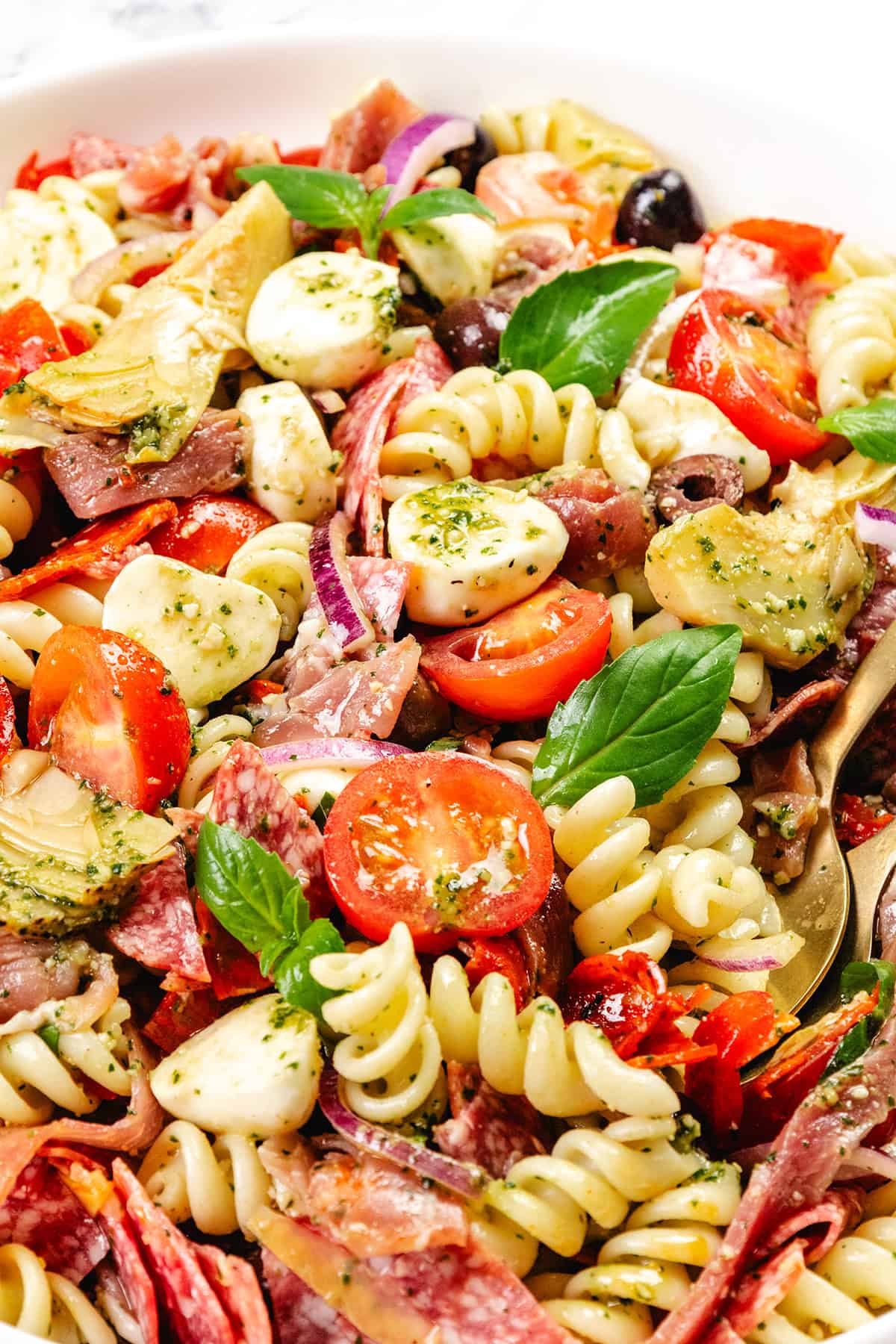
There are few dishes that capture the essence of Italian-American comfort, vibrant freshness, and ultimate convenience quite like the Italian antipasto pasta salad. It’s a brilliant culinary mash-up, taking the beloved components of a traditional antipasto platter – savory cured meats, creamy cheeses, briny olives, and tangy marinated vegetables – and tossing them with perfectly cooked pasta and a delectable dressing. The result is a substantial yet refreshing dish that has earned its place as a perennial favorite for everything from summer picnics and potlucks to light lunches and versatile side dishes.
Imagine a vibrant bowl brimming with a kaleidoscope of colors and textures, each bite offering a symphony of salty, sweet, sour, and umami notes. This isn't just a simple salad; it’s a celebration of bold Italian flavors, meticulously balanced to create a truly craveable experience. It’s the kind of dish that consistently disappears first at gatherings, often sparking friendly competition for the last scoop. Whether you’re looking to impress guests or simply elevate your meal prep, mastering the Italian antipasto pasta salad is a skill worth acquiring.
What Makes the Italian Antipasto Pasta Salad a Culinary Gem?
At its heart, the Italian antipasto pasta salad is a testament to resourceful and delicious cooking. It ingeniously transforms the "first course" (antipasto) of an Italian meal into a complete, well-rounded, and satisfying dish. Traditional antipasto is designed to awaken the palate with an array of distinct flavors and textures. When these elements are introduced to pasta, they create a dish that offers structure and substance, making it hearty enough to stand alone as a light main course or a substantial side.
What truly elevates this particular pasta salad is its incredible versatility and make-ahead appeal. It actually tastes better after the flavors have had a chance to meld and develop in the refrigerator, making it an ideal choice for busy hosts or anyone planning ahead. This characteristic also makes it exceptionally sturdy, holding up beautifully for hours at room temperature, which is why it's a go-to for outdoor events like barbecues, picnics, and tailgates. Unlike many delicate salads, an Italian antipasto pasta salad thrives on being packed and transported, delivering fresh, bold flavors wherever it goes. For more on its perfect fit for various occasions, explore our guide on Easy Italian Antipasto Pasta Salad: Perfect for Gatherings & Meal Prep.
The Essential Building Blocks: Key Ingredients for Success
The secret to an outstanding Italian antipasto pasta salad lies not in complicated techniques, but in the quality and balance of its core ingredients. Each component plays a vital role, contributing to the overall harmony of flavors and textures.
Choosing Your Pasta Shape
The pasta is more than just a filler; it's the canvas for all the other wonderful ingredients. Short, sturdy pasta shapes are undeniably the best choice because they effectively capture and hold the dressing, as well as mix evenly with the other components.
- Rotini: Its corkscrew shape is excellent for clinging to dressing and small ingredients.
- Penne: Tubular and ridged, it traps dressing inside and on its surface.
- Farfalle (Bow-tie): Offers a charming appearance and good surface area.
- Fusilli: Similar to rotini, its twists are perfect for grabbing flavor.
- Orecchiette: "Little ears" create perfect pockets for collecting sauce and small bits.
Savory Cured Meats
These bring a robust, salty, and umami punch that defines the "antipasto" character.
- Salami: Genoa salami is a classic for its mild, garlicky flavor. Soppressata offers a bolder, spicier profile. You can also include pepperoni, coppa, or even thinly sliced prosciutto, diced or torn into bite-sized pieces.
- Prosciutto: For a touch of elegance, thinly slice or tear good quality prosciutto.
- Cooked Chicken/Turkey: For a lighter, protein-packed option, consider diced grilled chicken or turkey, offering a milder counterpoint to the cured meats.
Creamy Cheeses
Cheese adds a delightful creaminess and a mild, tangy counterpoint to the salty meats and briny vegetables.
- Fresh Mozzarella: Mini mozzarella pearls (bocconcini or ciliegine) are ideal for their soft texture and mild flavor. Diced fresh mozzarella also works well.
- Provolone: A common deli cheese, provolone, particularly aged provolone (provolone piccante) when diced, offers a sharper, more complex flavor.
- Other Options: Cubed fontina, a sprinkle of grated Parmesan, or even crumbled feta can introduce interesting variations.
Fresh & Briny Vegetables
These components provide crucial texture, acidity, and freshness, cutting through the richness of the meats and cheeses.
- Cherry or Grape Tomatoes: Halved, they burst with sweet acidity and vibrant color.
- Olives: Black olives provide a mild earthiness, while Kalamata olives deliver a more intense, fruity brininess. Consider a mix, or add green olives for extra zing.
- Marinated Artichoke Hearts: Drained and quartered, these add a wonderful tangy, slightly chewy element.
- Bell Peppers: Diced red, yellow, or orange bell peppers contribute sweetness and crunch. Roasted red peppers offer a smoky, deeper flavor.
- Red Onion: Thinly sliced or finely minced, red onion provides a sharp, zesty kick. Soaking it briefly in cold water can mellow its intensity.
- Pepperoncini: Sliced pepperoncini add a delightful tangy heat and unique brine.
- Cucumbers: Diced English or Persian cucumbers offer a refreshing crunch.
- Fresh Herbs: Chopped fresh basil, parsley, and oregano are non-negotiable for authentic Italian fragrance and flavor.
The Perfect Dressing
The dressing is the binding agent, marrying all the diverse flavors. A light, tangy Italian dressing or vinaigrette is paramount. While store-bought options are convenient, a homemade dressing allows you to control the quality and balance. A classic vinaigrette includes extra virgin olive oil, red wine vinegar, minced garlic, a pinch of sugar, salt, pepper, and dried oregano. Some prefer a creamy Italian dressing, reminiscent of a popular restaurant chain's version, often incorporating mayonnaise or sour cream for richness. Pesto vinaigrette, as mentioned in the reference, is another fantastic option for a herb-forward, bold flavor. The key is to ensure the dressing is well-emulsified and generously coats all ingredients without making the salad soggy.
Elevating Your Italian Antipasto Pasta Salad: Expert Tips & Variations
Making a good Italian antipasto pasta salad is easy, but making a *great* one involves a few insider tips and the willingness to experiment.
- Quality Over Quantity: Since there are relatively few ingredients, choose the best quality you can afford. A high-quality olive oil, fresh mozzarella, and good cured meats will make a noticeable difference. For more insights on maximizing flavor, see our article Italian Antipasto Pasta Salad: Bold Flavors from Platter to Plate.
- Taste and Adjust: Always taste your dressing before adding it, and then taste the salad after it's been dressed. You might need more salt, pepper, or a splash more vinegar to balance the flavors.
- Chilling is Crucial: This salad absolutely needs time to chill, ideally at least 2-4 hours, or even overnight. This allows the pasta to absorb the dressing and for all the flavors to meld beautifully.
- Don't Overdress: Start with about two-thirds of the dressing, toss, and add more if needed. You want the salad to be moist and flavorful, not swimming in dressing. You can always add a little more just before serving if it seems dry.
- Vegetarian Twist: For a delicious vegetarian version, simply omit the cured meats and consider adding chickpeas, cannellini beans, or grilled vegetables like zucchini and eggplant for substance.
- Spice It Up: A pinch of red pepper flakes in the dressing or a few chopped pickled jalapeños can add a lovely kick.
Serving Suggestions and Make-Ahead Magic
The Italian antipasto pasta salad is truly a culinary chameleon, adapting to almost any occasion. It's robust enough to be a standalone light lunch, especially when you've doubled up on the protein with extra meats or added beans. As a side dish, it pairs beautifully with grilled chicken, fish, or sausages, and is an outstanding companion to other Italian favorites like pizza or lasagna.
For large gatherings, this salad is a lifesaver. It scales up easily – you can triple the recipe without much added effort – and its ability to be made a day in advance is a massive boon for hosts. Just remember to give it a good stir and a final taste test before serving, adding a splash more olive oil or vinegar if needed. Serve it chilled, garnished with fresh basil leaves, and watch it become the star of your spread.
In conclusion, the Italian antipasto pasta salad is far more than just another cold pasta dish. It's a vibrant, flavor-packed celebration of Italian ingredients, offering the perfect blend of savory, tangy, and fresh. Easy to prepare, endlessly customizable, and a guaranteed crowd-pleaser, it embodies the spirit of effortless entertaining and delicious, wholesome eating. By focusing on quality ingredients and following these tips, you're well on your way to crafting the best Italian antipasto pasta salad that will be requested time and time again.
